What Error codes to Keep an Eye Out for with a Panasonic Air Conditioner?

Air conditioners make life more comfortable, but like any piece of technology, they can run into problems. Panasonic units are built to last, yet when something goes wrong, they’ll often display an error code. Knowing what those codes mean can save you time, stress and potentially money.

Why Error Codes Matter

Error codes are the system’s way of communicating with you. Instead of guessing why the unit has stopped cooling or started making unusual sounds, the code points you in the right direction. While some issues are straightforward and easily fixed, others call for a qualified technician.

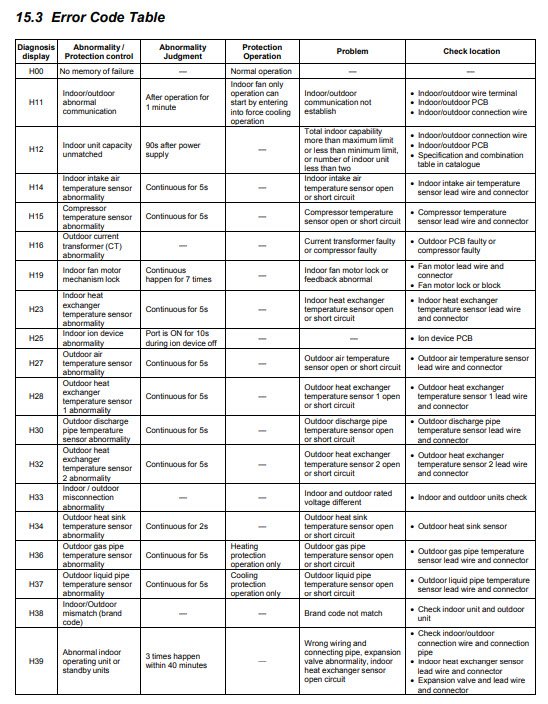
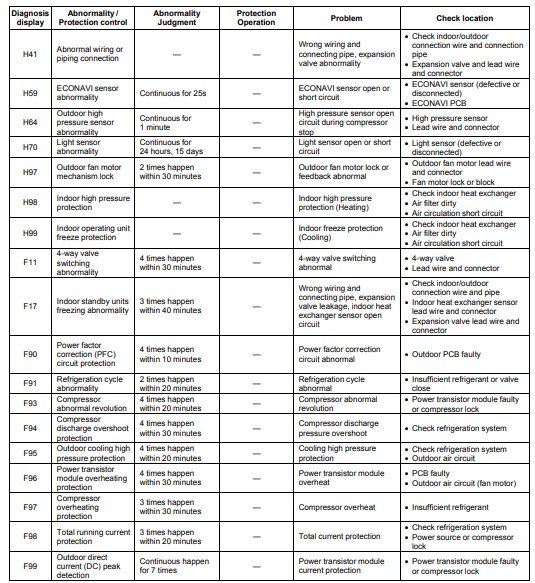
Panasonic Split System Fault Codes

Common Panasonic Air Conditioner Error Codes

Here are some of the codes most frequently reported in Panasonic systems:

  • H11 – Indoor and outdoor unit communication failure
    This usually means the two main parts of the system aren’t talking to each other. Loose connections or a wiring fault are often to blame.
  • H12 – Capacity mismatch
    This occurs when the indoor and outdoor units aren’t compatible. It’s a design or installation issue that requires professional attention.
  • H14 – Indoor air sensor abnormality
    If the temperature sensor inside the unit fails, the system can’t regulate airflow properly. You might notice uneven cooling or the unit cutting out.
  • H15 – Outdoor compressor failure
    The compressor is the heart of your air conditioner. When it stops working, cooling stops too. This error almost always needs a licensed technician.
  • F91 – Refrigerant shortage
    Low refrigerant can reduce efficiency and cause long-term damage if ignored. This often points to a leak somewhere in the system.
  • F93 – Compressor rotation fault
    The unit detects that the compressor is not running as it should. Left unresolved, it can lead to major breakdowns.

What You Should Do When a Code Appears

The first step is simple: note the code exactly as it appears. Some units show it on the screen, others use blinking lights in a sequence. Once you have the code, check your user manual to confirm its meaning.

For minor issues such as a clogged filter or a temporary power supply hiccup, you may be able to clear the problem yourself. However, if the code relates to the compressor, refrigerant, or wiring, it’s safer to bring in an experienced technician.

Preventing Error Codes in the First Place

While no air conditioner is completely problem-free, regular care goes a long way. Cleaning filters, keeping outdoor units free of leaves and debris, and arranging yearly servicing helps reduce the chance of errors. A technician can also check refrigerant levels, electrical components, and airflow to make sure everything runs smoothly.

The Bottom Line

Panasonic air conditioners are reliable, but they aren’t immune to faults. Error codes such as H11, H14, and F91 are warnings you shouldn’t ignore. Understanding what they mean helps you act quickly before the issue grows into something costly. When in doubt, call Advanaced Clean Air to inspect the system and keep your home comfortable year-round.

air conditioner condensate drain cleaning process

Diagnosing and Clearing Condensate Drain Clogs of Air Conditioners

A blocked condensate drain is one of the most common and overlooked causes of air conditioner leaks. This guide shows how to diagnose the issue, clear the line safely, and prevent future clogs—keeping your AC running smoothly and your home free of water damage

What Are The Popular Types of Air Conditioning in Australia?

Air conditioning in Australia has evolved with demand for comfort, energy efficiency, and smart control. In 2025, popular options include split systems, ducted reverse-cycle, VRF, packaged rooftop units, chillers, evaporative coolers, and portable units. Each type suits different needs across residential and commercial spaces, helping Australians balance comfort, efficiency, and cost.

Get an instant quote

We’re ready to provide you the honest, transparent advice we’re known for by all our customers. Give us a call or fill out the quote request form below.